“Brushless” is on every tool listing now, usually in bold, as if it settles the argument on its own. It is a genuine upgrade, but it is worth understanding what it actually changes, because there are still jobs where a good brushed tool is perfectly fine and the cheaper choice.
What is the actual difference?
It comes down to how the motor turns electricity into spin.
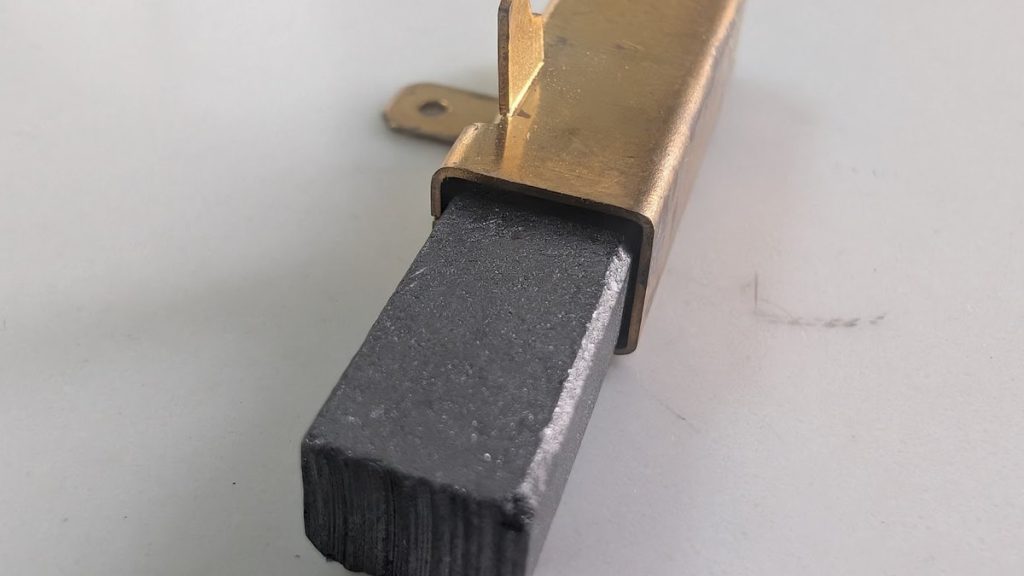
- A brushed motor uses small carbon “brushes” that physically press against a spinning part to pass current. That contact creates friction, heat and wear, and the brushes themselves slowly wear down and eventually need replacing.
- A brushless motor does the same job electronically, with no physical contact. A small controller energises the coils in sequence. No brushes, far less friction, less wasted heat.
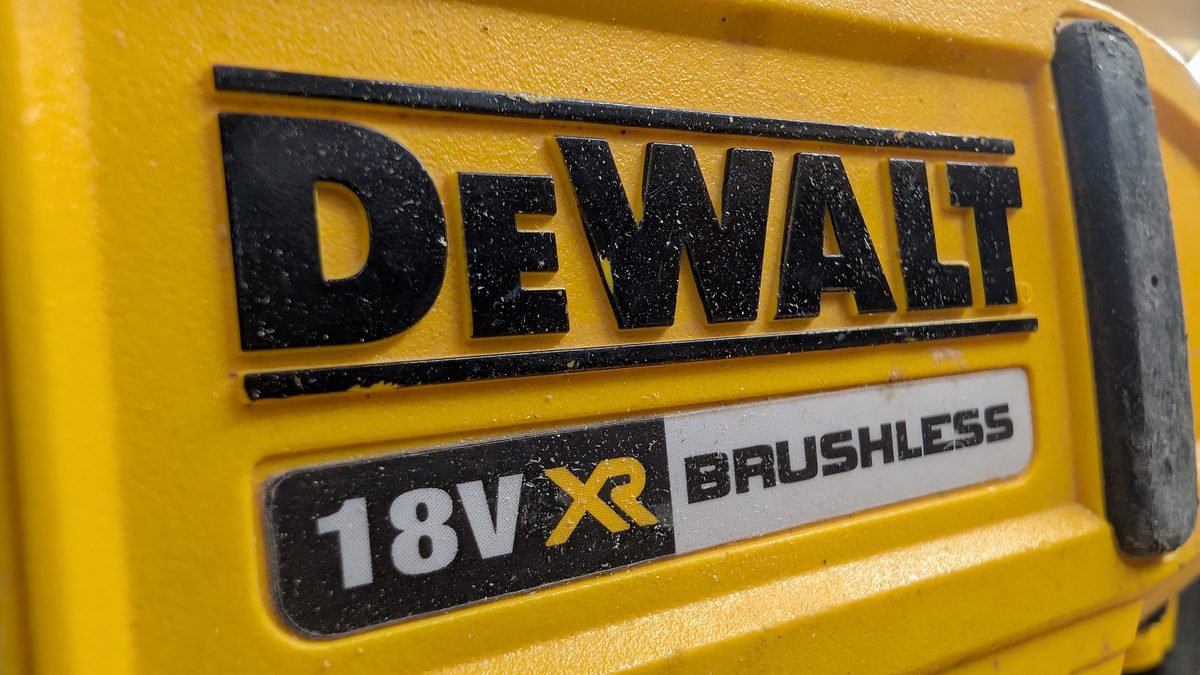
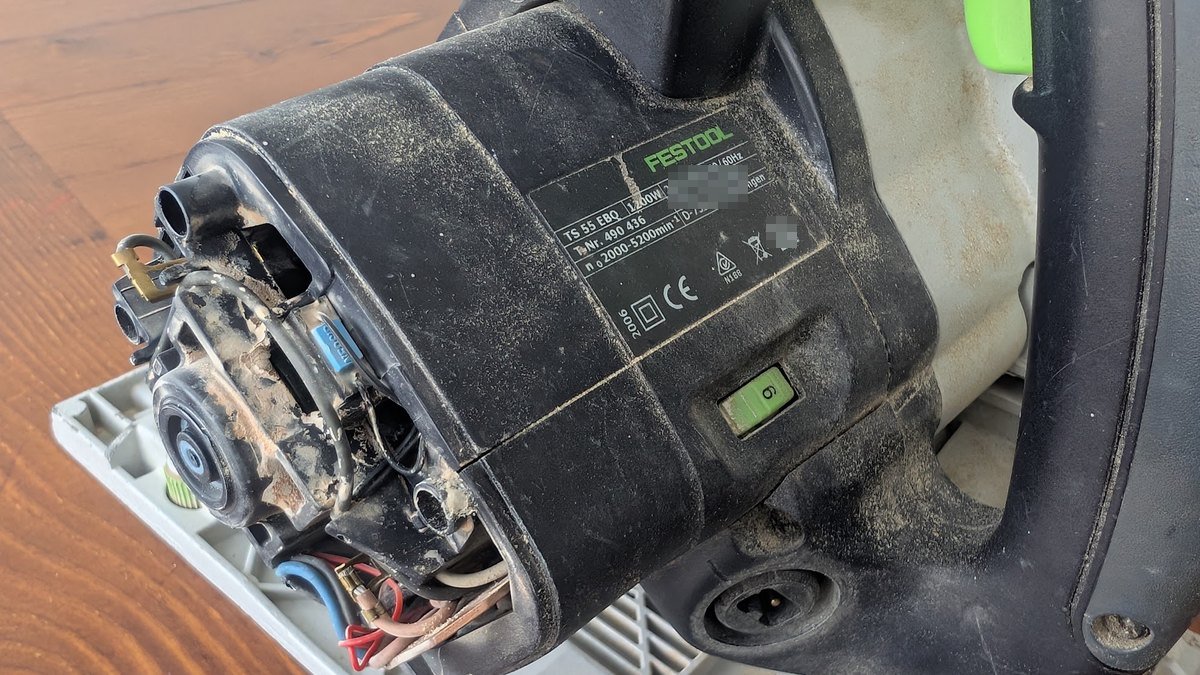
That one change, removing the rubbing contact, is where every brushless benefit comes from.
What brushless actually buys you
- More runtime per charge. Less energy lost to friction and heat means more of the battery goes into the work, noticeably longer between charges.
- More power for the size. A brushless motor delivers more output for its weight, so tools can be smaller and lighter for the same grunt.
- Longer lifespan, less maintenance. No brushes to wear out or replace; the motor runs cooler, which is easier on the whole tool.
- Smarter control. Electronic control enables things like multiple speed modes, soft-start and electronic overload protection.
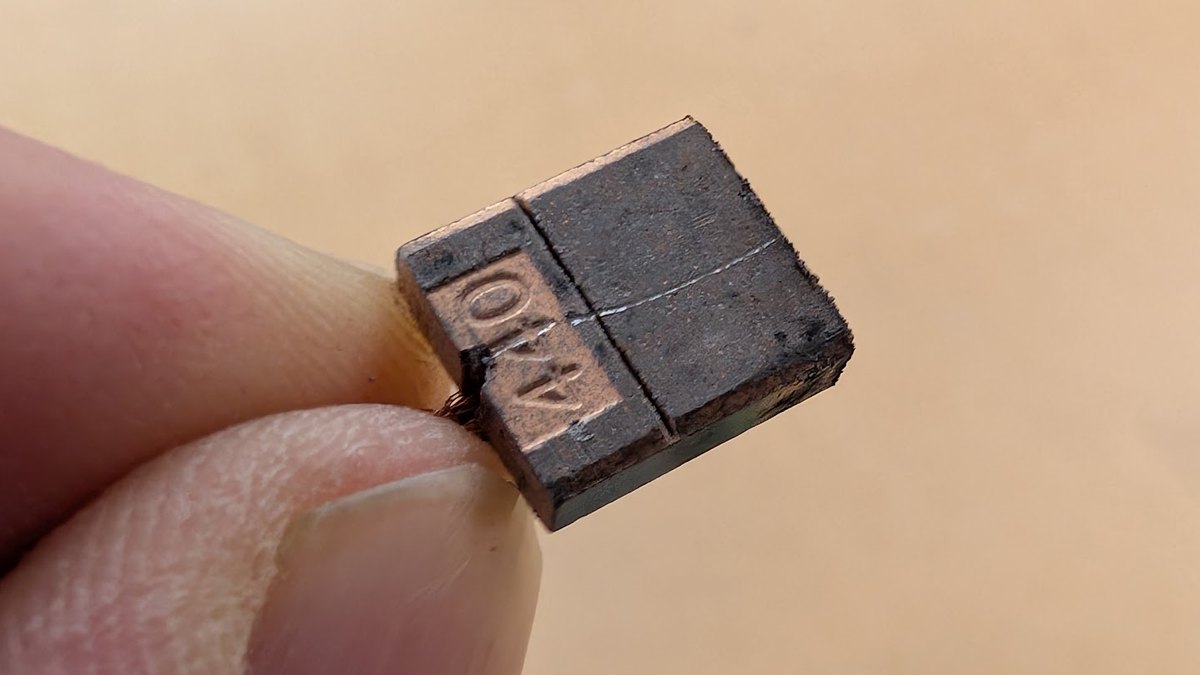
When a brushed tool is still fine
Brushless costs more, and you do not always need it:
- Occasional or light DIY. If a tool comes out a few times a year, a quality brushed model can last for years and saves you money.
- Tight budgets. A good brushed drill from a reputable brand will still do solid work.
- Some corded tools, where runtime and battery efficiency simply are not part of the equation.
So is it worth it?
For anyone using tools regularly, trade or keen DIY, yes. The extra runtime and the longer life pay the premium back, and the price gap has narrowed a lot as brushless has become the default. For genuinely occasional use, a well-made brushed tool is still a sensible, cheaper choice.
One honest caveat: brushless describes the motor, not the whole tool. A brushless tool is not automatically better built or higher quality across the board, it just has the better motor. Judge the whole tool, not the badge.
| Brushed | Brushless | |
|---|---|---|
| Runtime per charge | Lower | Higher |
| Power for its size | Lower | Higher |
| Heat & wear | More | Less |
| Lifespan / maintenance | Brushes wear, may need replacing | No brushes; longer life |
| Cost | Cheaper | Dearer (gap closing) |
| Best for | Occasional / light / budget | Regular / trade use |
Most cordless tools on the site are brushless now, and the spec sheet says which is which. You can check it on any combi drill or impact driver page, or put two side by side in compare.
Is brushless worth the extra money?
For regular use, yes, the longer runtime and lifespan repay the premium. For occasional light jobs, a good brushed tool is still fine.
Do brushless motors really last longer?
Generally yes. With no brushes to wear out and less heat, the motor tends to last longer with less maintenance.
Can I tell brushed from brushless from the outside?
Not reliably, it is marked on the tool or in the specs. Brushless tools are often a touch more compact for their power, but check the label.
Does brushless mean the tool is more powerful?
It means the motor is more efficient and delivers more for its size. It does not guarantee the whole tool is more powerful or better made, so look at the full spec.
Worth knowing about
New tools, site updates, fresh buying advice and the occasional deal worth having. Sign up and we'll send you the good stuff. No spam, just tools. Unsubscribe any time.
Suggested reads: Power Tool Torque Explained and Which Cordless Battery Platform Should You Buy Into?, or browse all guides in the Advice Centre.