It always comes on the wettest day of the job. The number on the side of the box (IP54, IP56, IPX4) is supposed to tell you whether your drill will survive it. The trouble is that most people read those numbers as “waterproof or not”, and that is not what they mean at all.
After 25+ years on site I have seen tools killed by fine brick dust far more often than by rain. So it is worth the few minutes to understand what an IP rating actually promises, what it does not, and what level you genuinely need, rather than paying for protection you will never use.
What an IP rating actually is
IP stands for Ingress Protection, an international, independently-tested standard (IEC 60529). After the letters “IP” come two digits. The first is solids and dust, the second is water.
So in IP54, the 5 describes how well dust is kept out and the 4 describes how well water is kept out. Higher is more protected. Because it is a tested standard, a formal IP number is a genuine, comparable measure, not marketing.
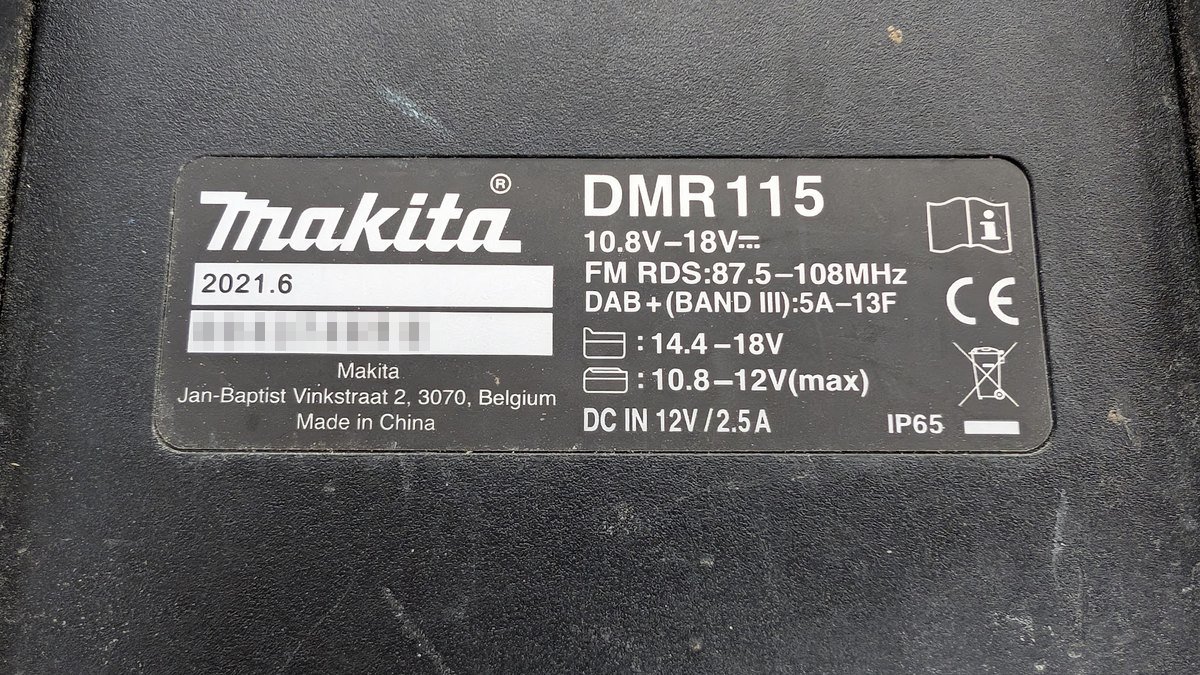
The first digit: dust and debris (0 to 6)
For power tools this is the one that quietly matters most: fine dust is what wears motors and switches out over years.
| 1st digit | Protected against | Real-world meaning |
|---|---|---|
| 0 | Nothing | No protection |
| 4 | Objects over 1mm | Wires, small screws |
| 5 | Dust-protected | Some dust may enter, but not enough to harm the tool |
| 6 | Dust-tight | No dust ingress at all |
In practice you are choosing between a 5 and a 6. A 5 is plenty for most site dust; a 6 is sealed tight, which suits the dustiest trades (masonry, cutting, prolonged grinding).
The second digit: water (0 to 9)
This is the one everyone fixates on. The key jump for trades is between splashes and jets.
| 2nd digit | Protected against | Real-world meaning |
|---|---|---|
| 0 | Nothing | Keep it dry |
| 4 | Splashing from any direction | Rain, splashes, a wet bench |
| 5 | Low-pressure jets | Light hose, heavier rain |
| 6 | Powerful jets | Driving rain, wash-down nearby |
| 7 | Immersion to 1m | Brief dunk survives |
For a hand tool you almost never need immersion (7). What you actually face is rain and splashes, which is exactly what a 4 covers, and a 5 or 6 covers more comfortably if you work in the wet.
The “X” you will see in IPX4
Sometimes a digit is replaced with an X, for example IPX4. The X means that element simply was not formally tested or rated, not that it scored zero. IPX4 means “tested to resist splashing water; dust not separately rated.” It is common, and not a red flag on its own.
So what rating do you actually need on site?
For the vast majority of UK trades, the sweet spot is IP54 to IP56 (or a credible brand protection system, covered below):
- IP54: fine for general site work, the odd shower, normal dust. The default for most cordless hand tools.
- IP55 / IP56: better if you are regularly in the wet, or working around wash-down and heavy dust.
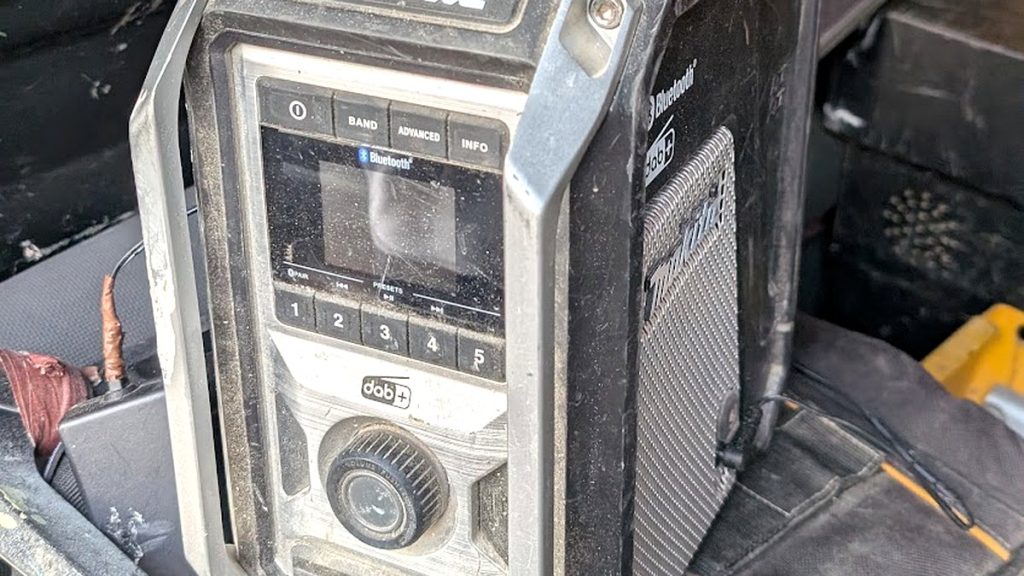
- IP67 and up: immersion-grade. Genuinely useful for site lighting or some site radios, rarely necessary for a drill. Do not pay a premium for it on a tool that lives in a bag.
Why some tools do not show an IP number at all
Here is the nuance most guides skip. Plenty of power tools do not carry a formal IP rating. Instead the brand uses its own protection system. Makita’s XPT (Extreme Protection Technology) is the best-known: seals and channels that shed dust and water. DeWalt, Bosch and Milwaukee all have their own equivalents.
Two things to hold in your head at once:
- No IP number does not mean “not protected.” A well-designed brand system can perform very well.
- But a brand system is not the same as an independently-tested IP figure. A formal IP rating is a standardised, verifiable claim; a marketing name is the manufacturer’s own word.
This is exactly why, on every tool page, we note which a tool actually carries, a tested IP figure or a brand system, rather than letting the box do the talking. When you are comparing two tools, check what is really behind the durability claim.
Five traps to avoid
- IP-rated is not “waterproof”. It is resistance to a defined test, not an invitation to leave the tool in a puddle.
- The tests use clean fresh water. Site slurry, plaster, solvents and salt are harder on seals than the lab ever is.
- The rating is for the tool as supplied. A cracked case, perished seal or missing port cover voids it.
- The battery and charger can have different ratings to the tool, so check each.
- Never jet-wash your tools. Even a high IP figure is not designed for a pressure washer aimed at the vents.
The bottom line
An IP rating is a useful, honest number once you know how to read it: first digit dust, second digit water, higher is more sealed.
For most trades, IP54 to IP56 (or a solid brand system) is the realistic sweet spot, enough for dust and weather, without paying for immersion you will never need. And when a tool quotes a brand name instead of a number, treat it as a claim to check, not a fact to assume.
Download the IP Ratings Cheat SheetIs an IP54 drill OK to use in the rain?
For ordinary rain and splashes, yes, that is exactly what the “4” covers. Wipe it down and do not leave it out; the rating resists weather, it does not make the tool weatherproof forever.
What does the X mean in IPX4?
That the dust side was not separately tested or rated. The “4” still means it resists splashing water from any direction. It is common and not a problem in itself.
Is Makita XPT an IP rating?
No. XPT (Extreme Protection Technology) is Makita’s own dust and water-resisting design, not an independently-tested IP figure. It can work well, just know it is a brand claim rather than a standardised rating.
Can I jet-wash or hose down my tools?
No. Even high water ratings are not designed for a pressure washer. Brush dust off, wipe with a damp cloth, and keep ports and vents clear.
Does a higher IP number mean a better tool?
Only for sealing. A tool with IP56 is not automatically more powerful or better built than an IP54 one, it is just more resistant to dust and water. Match the rating to where you actually work.
Worth knowing about
New tools, site updates, fresh buying advice and the occasional deal worth having. Sign up and we'll send you the good stuff. No spam, just tools. Unsubscribe any time.
Suggested reads: Which Cordless Battery Platform Should You Buy Into? and Brushless vs Brushed, or browse all guides in the Advice Centre.