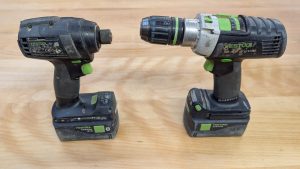
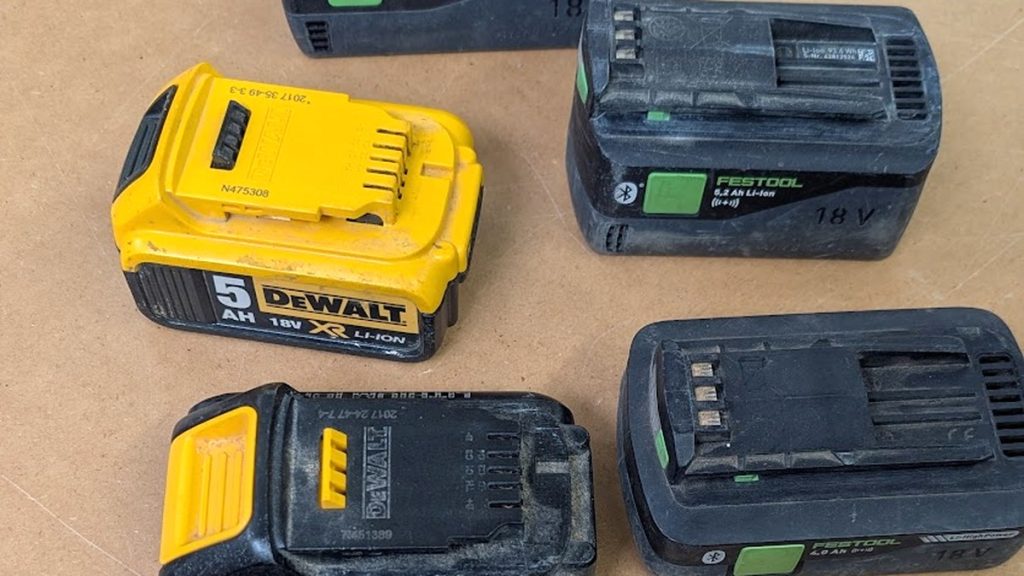
Here is the thing no one tells you when you buy your first power tool: you are not really choosing a tool. You are choosing the battery platform you will be married to for the next decade.
The tool wears out. The platform does not. Once you own three or four batteries and a couple of chargers on one system, switching brands means re-buying all of it, which is why most tradespeople quietly stay on whatever they started with. So it pays to choose deliberately up front rather than by accident.
This guide walks through how the platforms actually work, the clever (and confusing) high-power systems, the traps that cost people money, and how to pick the one you will be glad you committed to.
The one rule: pick the platform, not the tool
Every battery decision comes back to one principle: one platform, many tools, shared batteries. The whole point of cordless is that a single set of batteries powers your drill, impact driver, saw and grinder. The more tools you own on a platform, the more every extra battery is worth, and the more painful it is to leave.
So the right question is not “which drill is best?” It is “which platform has the tools I will need, and a path to the bigger gear I might want later?”
Which platform is right for you depends on two things: what trade you are (a plumber, a joiner and a groundworker reach for different tools), and how committed you are to going fully cordless. Be honest about both before you commit.
The main UK cordless battery platforms (18V)
For most working trades the choice lands among a handful of 18V systems. They are all genuinely good. The difference is ecosystem size, price, and where each one goes when you need more power. You can compare every platform we track side by side, with the packs, chargers and tools that run on each.
| Platform | Volts | What it’s known for |
|---|---|---|
| Makita 18V LXT | 18V | The biggest ecosystem of the lot (350+ tools); Twin pairs two batteries for 36V tools |
| DeWalt 18V XR | 18V | Huge range; FlexVolt gives a clean route up to 54V high-power tools |
| Milwaukee M18 | 18V | 250+ tools; the FUEL line is a heavy-duty favourite |
| Bosch 18V Professional | 18V | 200+ Blue tools; BITURBO for high-power demands |
| HiKOKI MultiVolt | 18V / 36V | One battery runs both 18V and 36V tools, very elegant |
| Festool 18V | 18V | Premium finish and precision tools with class-leading dust extraction; a narrower, dearer range |
Tool counts above are the makers’ own published figures, not our count of what we list.
If you mostly do first- and second-fix, the big five (Makita, DeWalt, Milwaukee, Bosch and HiKOKI) cover everything you will touch daily. Festool is the specialist: a superb premium choice for finish and precision work, but it does not make first- or second-fix cordless nailers, so a Festool-committed joiner still needs a second platform for nailing, or a pneumatic setup. Pick on the tools your trade actually uses, and the system your merchant or network already runs.
Going higher-power without leaving the platform
This is where the marketing gets confusing, because each brand solves “I need more grunt than 18V” differently. Some keep you on the same battery family while others quietly start a new one:
- DeWalt FlexVolt (18V/54V): clever packs that switch voltage depending on the tool. FlexVolt Advantage tools run on both standard XR and FlexVolt, so you grow within one family.
- Makita Twin (2×18V = 36V): uses two of your existing LXT batteries to make 36V, so you stay on LXT. But Makita XGT (40V) is a completely separate platform, not “more LXT.” Do not assume your LXT batteries fit XGT tools; they do not.
- HiKOKI MultiVolt: arguably the neatest. The same battery powers 18V and 36V tools. One family, both worlds.
- Bosch BITURBO: high-power tools that run on your existing 18V Professional batteries (ProCORE recommended). Stays on one family.
- Festool Twin (18V/36V): pairs two 18V packs for 36V tools like the TSC/HKC saws.
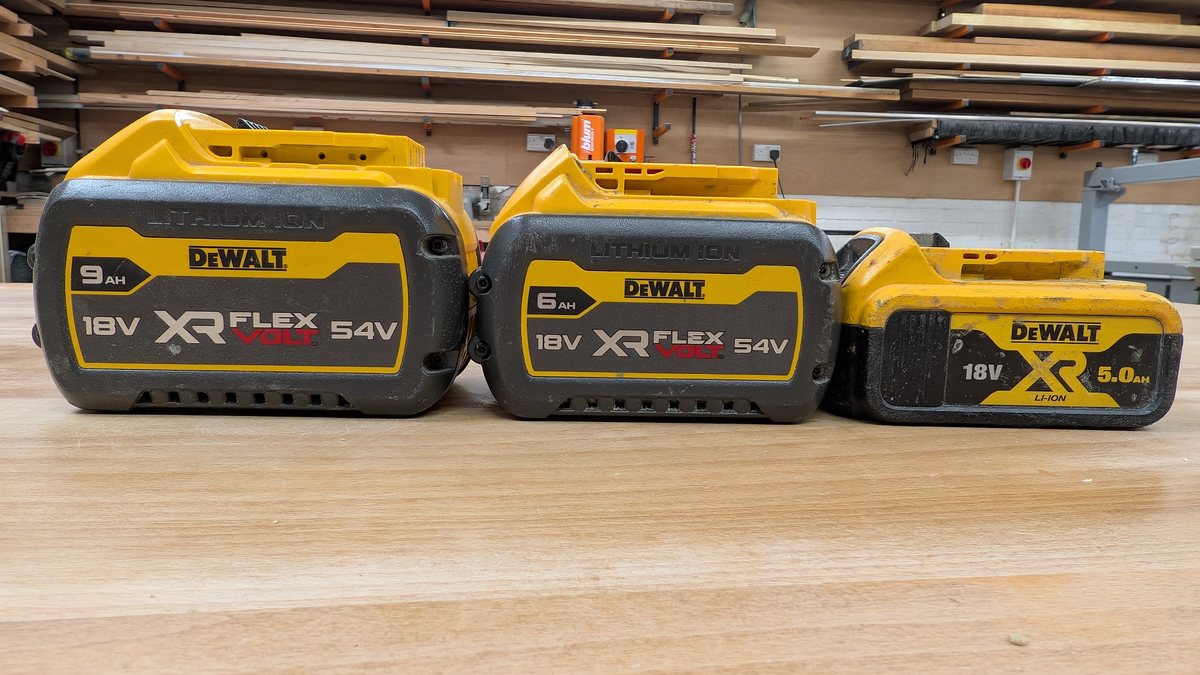
The takeaway: if you think you will eventually want a table saw, big grinder or breaker, favour a platform with a clean high-power path that does not strand your battery collection. FlexVolt, MultiVolt, Twin and BITURBO all do this. A brand-new high-voltage platform (like XGT) is excellent, but treat it as a second investment, not an upgrade.
The sub-compact 12V option
Alongside the 18V systems sit lighter 12V platforms: DeWalt 12V XR, Makita CXT, Milwaukee M12, Bosch 12V Professional. They are not “worse”, they are for a different job: light, short, brilliant for first-fix, overhead and cabinet work. Many trades run an 18V platform for the heavy stuff and a 12V as a second system. Just know it is a second platform, with its own batteries.
The traps that cost people money
- Bosch Blue vs Bosch Green are not compatible. Blue (Professional) and Green (DIY Home & Garden) are entirely separate, so buy the wrong colour and nothing fits. The single most common Bosch mistake.
- Makita LXT is not Makita XGT. Different platforms, different batteries. XGT (40V) does not run on your LXT packs.
- “20V Max” is just 18V. It is the US way of labelling the exact same battery: a fresh pack peaks near 20V, then settles to 18V under load. A US 20V MAX pack and a UK 18V XR pack are the same battery and interchangeable, so a US 20V MAX tool runs fine on your UK 18V XR batteries (only the charger is region-specific). The old stem-style 18V XRP is the exception: a different, discontinued fitting.
- Do not chase headline voltage. A 40V or 80V “Max” number is nominal marketing; it does not make a tool four times better than 18V. Match the platform to your tools, not to the biggest number.
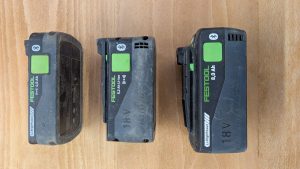
- Watch the pack weight. More voltage and more capacity both mean more cells, so the battery gets heavier. A 54V FlexVolt or a big 8.0Ah pack is noticeably heavier than a compact 2.0Ah 18V battery, which matters for overhead and first-fix work. Match the pack to the job: light for all-day handheld work, big for high-draw tools where run-time wins. There is more on capacity, run-time and weight in our guide to battery Ah and Wh.
- Own-brand value plays exist. Erbauer EXT (Screwfix) and Evolution EXT share one 18V battery fitting, and both sides say so: Evolution states you can use Erbauer batteries on Evolution tools and the other way round, and Screwfix sells the two under a “two brands, one battery system” banner. Neither mentions chargers, so do not assume those swap as well. Einhell Power X-Change is a huge DIY ecosystem, 300+ tools on Einhell’s own count, and superb value if you are not on site daily. Both are legitimate, just know their tier.
- Skip cross-brand adapters. Adapters that claim to run one brand’s battery in another’s tool are a fire and warranty risk. Do not.
How to choose, in order
- List the tools you will realistically own over the next few years, then check the platform actually makes them. Ecosystem breadth wins.
- Be honest about tier: Trade (daily, durability) vs DIY (occasional, value). Einhell or Bosch Green are smart for the latter; the five 18V trade systems for the former.
- Will you need high-power gear? If yes, favour a platform with a clean voltage path (FlexVolt, MultiVolt, Twin or BITURBO).
- Check battery price, availability and warranty where you actually shop. Every pack and charger we track, with the retailers that sell them, is on our batteries and chargers page.
- Then commit. After the first kit, buy bare tools (no battery) and let your battery collection do the work. That is where cordless pays off.
Not sure where you land? The Battery Platform Finder asks a few quick questions and points you to the platform that fits your work.
The bottom line
Choose the platform, not the tool. Pick the ecosystem that has the tools you will genuinely use and a sensible route to higher power, ignore the voltage marketing, then stay put and buy bare. Get that decision right once and every tool after it gets cheaper. Get it wrong and you will pay for it every time you add to the kit.
Can I use one brand’s battery in another brand’s tool?
No. Platforms are deliberately incompatible, and the adapters that claim to bridge them are a safety and warranty risk. Stay within one platform.
Is a Makita XGT (40V) battery compatible with LXT (18V) tools?
No. Despite both being Makita, XGT and LXT are separate platforms with different batteries. Makita’s Twin tools use two 18V LXT packs for 36V, and that is the one that stays on LXT.
Are Bosch Green and Bosch Blue batteries interchangeable?
No. Bosch Green (DIY) and Bosch Blue (Professional) are completely separate systems with no cross-compatibility.
Should I just buy the biggest battery I can?
No. Bigger is not automatically better, and it adds weight. Our guide on battery Ah and Wh covers what those numbers really mean, and why a bigger pack mostly buys you run-time rather than power.
Is it worth switching platforms later?
Rarely. The cost is re-buying every battery and charger you own. It is almost always cheaper to choose carefully now and stick with it.
Worth knowing about
New tools, site updates, fresh buying advice and the occasional deal worth having. Sign up and we'll send you the good stuff. No spam, just tools. Unsubscribe any time.
Suggested reads: Power Tool Battery Ah and Wh Explained, Cordless Drills: A Beginner’s Guide and Brushless vs Brushed, or browse all guides in the Advice Centre.