Your first cordless drill is the tool you will reach for more than any other, and the listings are a wall of jargon: 18V, 90Nm, brushless, combi, XR, LXT. It is easy to either overspend on a flagship you do not need or grab the cheapest thing and regret it. Here is what actually matters when you buy your first drill.
Combi drill, drill driver or impact driver?
The first confusion is that “cordless drill” is really three different tools:
- Drill driver: drills holes and drives screws. Simple and light, but no hammer action for masonry.
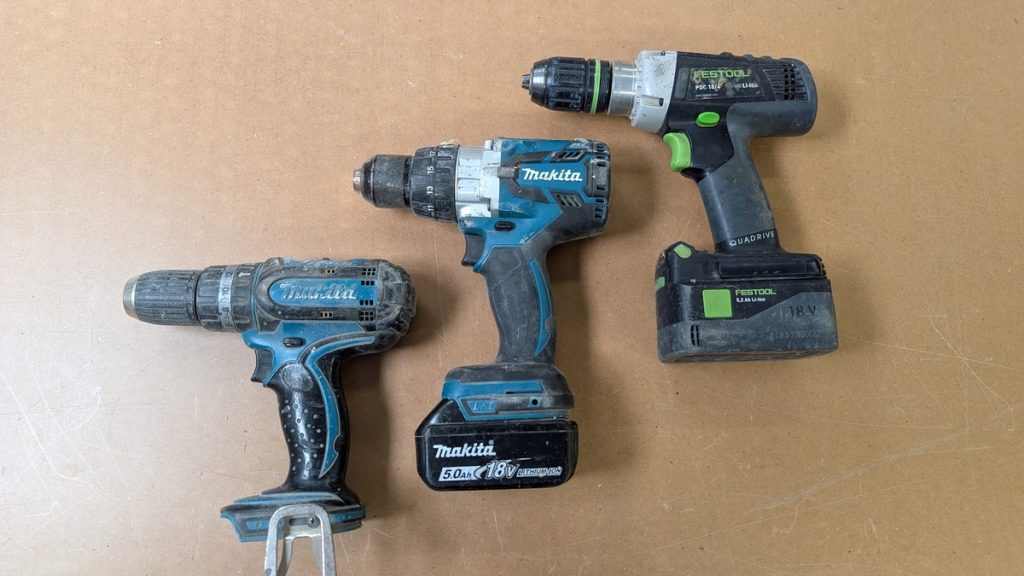
- Combi drill: a drill driver plus a hammer setting for the occasional hole in brick or masonry. The all-rounder, and the right first drill for most people.
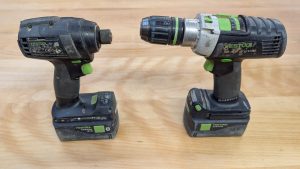
- Impact driver: drives screws and bolts fast using rotational hammer blows. Brilliant for driving, but it takes hex bits, not drill bits, so it is a partner to a drill, not a replacement.
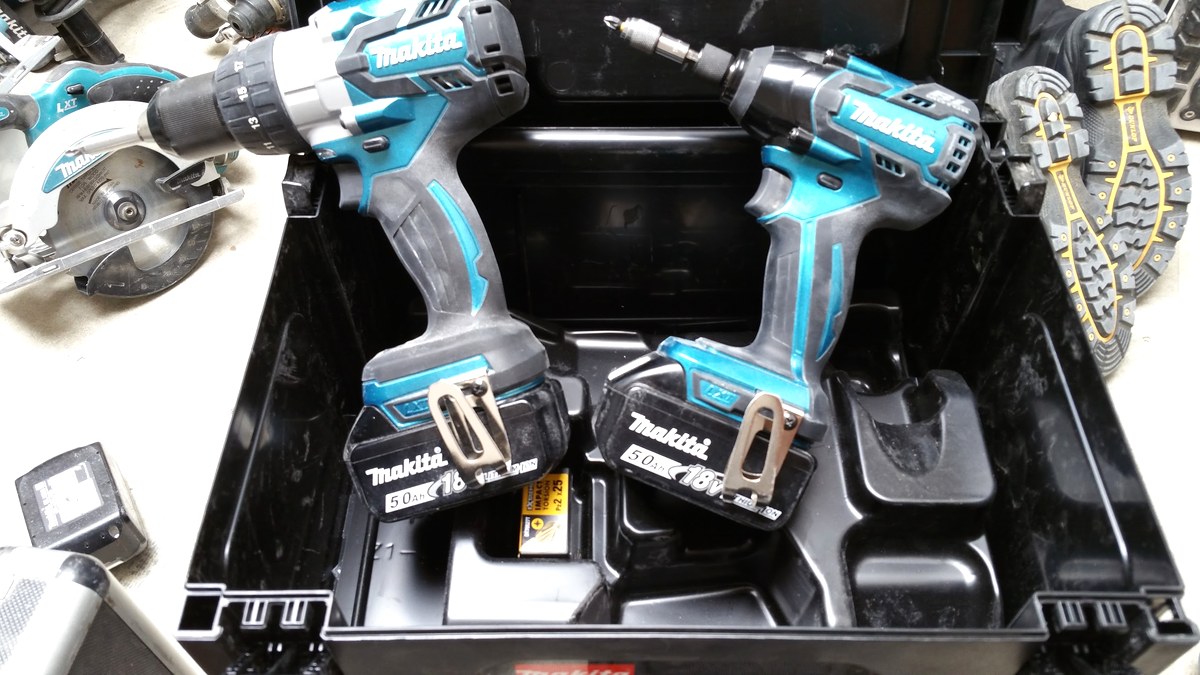
For a first tool, get a combi drill, or the common twin kit that pairs a combi with an impact driver and gives you both jobs covered on one set of batteries.
The specs that matter (and the ones that do not)
- Voltage. 18V is the standard, on site and at home, with enough power for almost anything. 12V drills are lighter and cheaper, great for light work and overhead, but less grunt. See our battery platform guide.
- Torque (Nm). How hard it turns. Buy enough, not the biggest number: 60 to 90Nm covers the large majority of drilling and driving. Our torque guide explains why the headline figure is a poor guide.
- Brushless. Worth it for regular use: more runtime, longer life, and the price gap has closed. Our brushless vs brushed guide covers when brushed is still fine.
- Chuck size. 13mm is standard and takes most bits; 10mm is common on lighter 12V drills.
- Speeds. Two speeds is plenty (slow and torquey, or fast for small bits). More gears widen the range but are not essential.
- Battery capacity (Ah). This is runtime, not power. A 2.0Ah pack is light; a 4.0 to 5.0Ah lasts longer. Our Ah and Wh guide explains the numbers.
The decision that matters more than the drill
Here is the thing most first-time buyers miss: you are not really choosing a drill, you are choosing a battery platform. Every cordless tool you buy after this will share those batteries, so the brand you pick now is the system you are tied to for years. Choose it deliberately, on the range of tools you will grow into, not just on this one drill. Our battery platform guide walks through the trade systems and the traps.
Should you buy a bare tool or a kit?
Listings show the same drill as a “kit” (with batteries and charger) or “bare” (tool only). For your very first tool, buy the kit, you need the batteries and charger to start. Once you own batteries on a platform, buy everything after that bare and save, because the packs you already own do the work.
The bottom line
Get an 18V combi drill (or a combi and impact twin kit), brushless if you can stretch to it, with enough torque for your work rather than the biggest number on the box. But spend most of your thinking on the platform, because that is the decision you live with. Get that right and your first drill is the start of a kit, not a one-off.
What is the best first cordless drill for a beginner?
A brushless 18V combi drill, or a combi and impact driver twin kit, is the most versatile start. Pick enough torque for your work (60 to 90Nm suits most) rather than the highest number, and choose the battery platform deliberately.
What is the difference between a combi drill and an impact driver?
A combi drill drills holes and drives screws, with a hammer setting for occasional masonry. An impact driver only drives screws and bolts (fast, using hammer blows) and takes hex bits, not drill bits. Many people own both, often as a twin kit.
How much torque does a beginner need?
For most drilling and driving, 60 to 90Nm is plenty. Higher figures buy headroom for heavy jobs but add weight and cost, so match it to the work you will actually do.
Is 12V or 18V better for a first drill?
18V is the more versatile choice with enough power for almost anything. 12V is lighter and cheaper, good for light and overhead work, but it is really a second, compact platform rather than a do-everything first drill.
Should I buy the drill on its own or as a kit?
For your first tool, buy the kit so you get the batteries and charger. After that, buy tools bare and run them on the batteries you already own.
Worth knowing about
New tools, site updates, fresh buying advice and the occasional deal worth having. Sign up and we'll send you the good stuff. No spam, just tools. Unsubscribe any time.
Suggested reads: Which Cordless Battery Platform Should You Buy Into? and Power Tool Torque Explained, or browse all guides in the Advice Centre.