“First fix” and “second fix” get said on every site, and nobody stops to explain them, which leaves anyone starting out nodding along and hoping to pick it up. Here is what the two stages actually mean in carpentry, what each one involves, and the tools each leans on, so you know where you fit and what to buy.
What first fix and second fix actually mean
A build happens in stages, and the plasterer is the line in the sand. First fix is everything that goes in before the walls and ceilings are plastered, the structural work that ends up hidden. Second fix is everything that goes on after the plaster is done, the finish work that people actually see.
Carpentry is not the only trade that splits this way. Electricians and plumbers have their own first and second fix too (cables and pipes in before plaster, then sockets, taps and fittings after), so on site everyone’s first fix tends to happen around the same time. This guide is the carpentry version.
First fix carpentry: what it involves
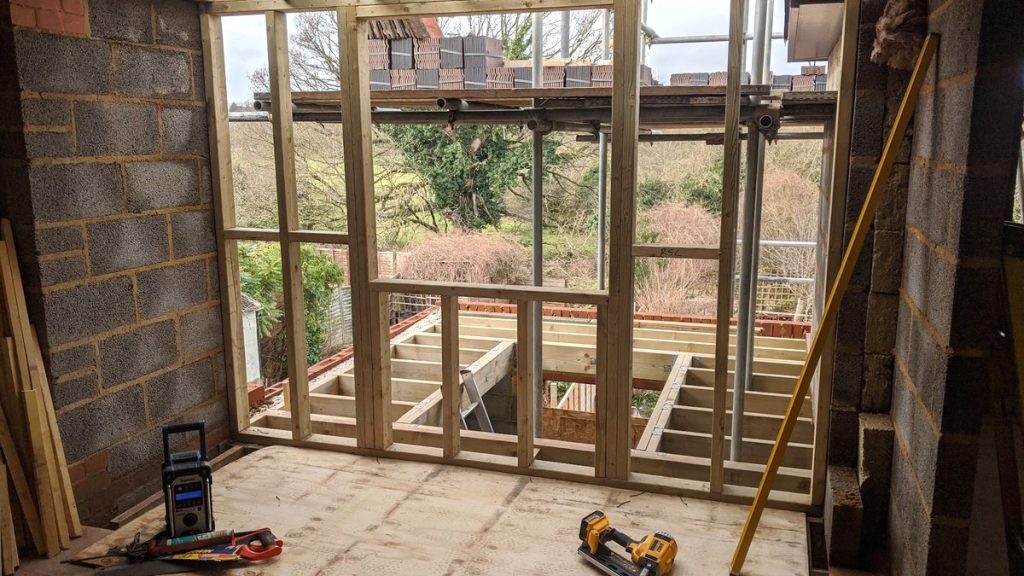
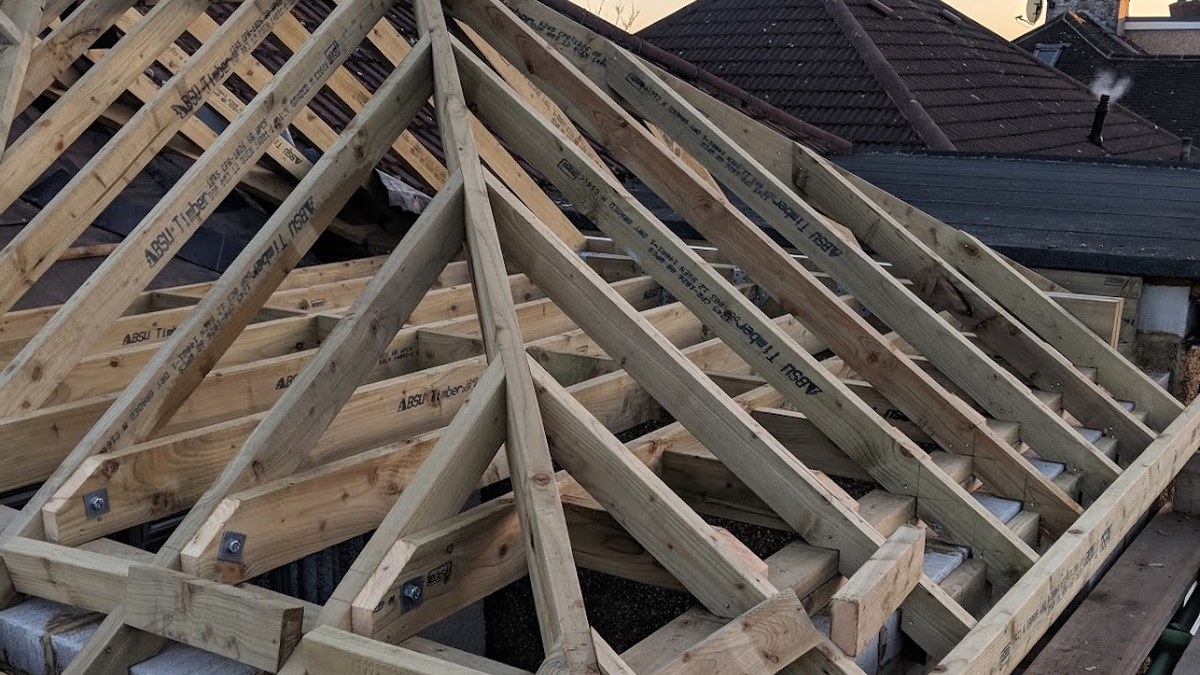
First fix is the structural, get-it-built stage. It is faster and rougher, because most of it disappears behind plasterboard, so tolerances are more forgiving. Typical first-fix carpentry:
- Stud partitions and noggins
- Floor joists, floorboards and decking
- Roof timbers, rafters and trusses
- Door linings, and usually window boards
- Fixing grounds and battens for what comes later
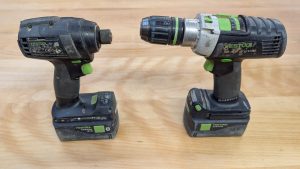
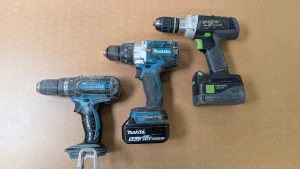
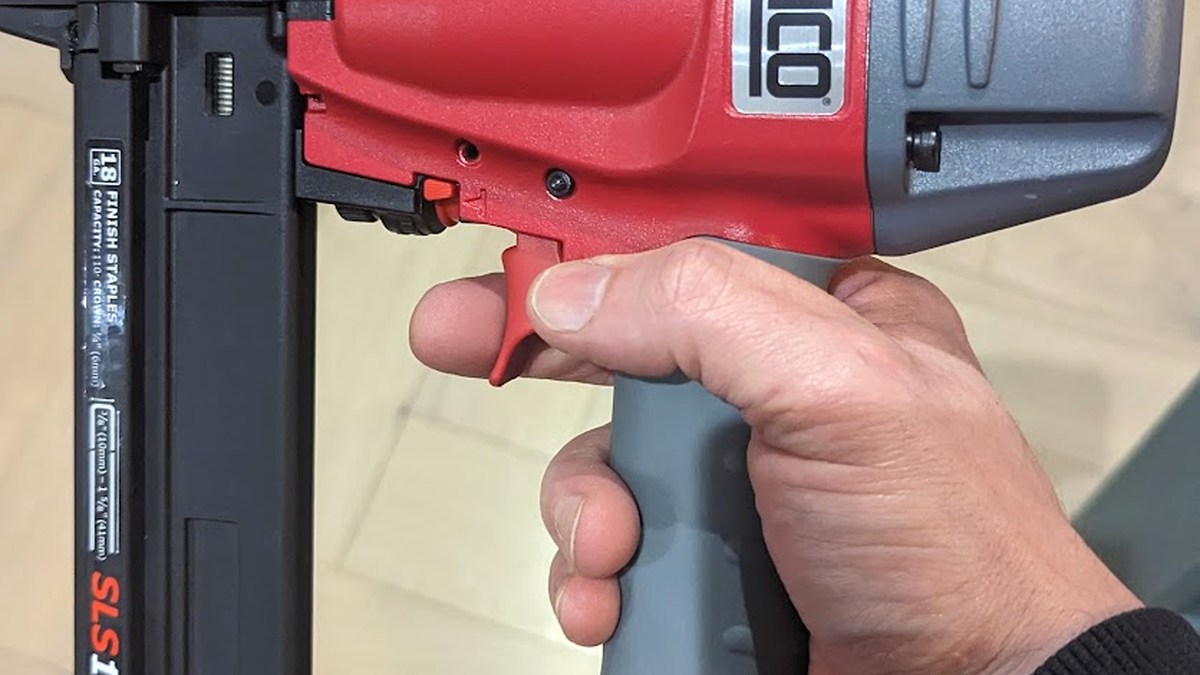
The tools it leans on are the bigger, faster ones: a circular saw for cutting stock down quickly, a punchy drill and impact driver, a first-fix nailer for framing, and your tape, square and level. An SDS drill earns its place if there is masonry to fix into.
Second fix carpentry: what it involves
Second fix is the finish stage, and it is the opposite discipline: slower, precise, and every millimetre shows because it is all on display. Typical second-fix carpentry:
- Skirting and architrave
- Hanging doors and fitting door furniture
- Staircase finishing: spindles, handrails and newel caps
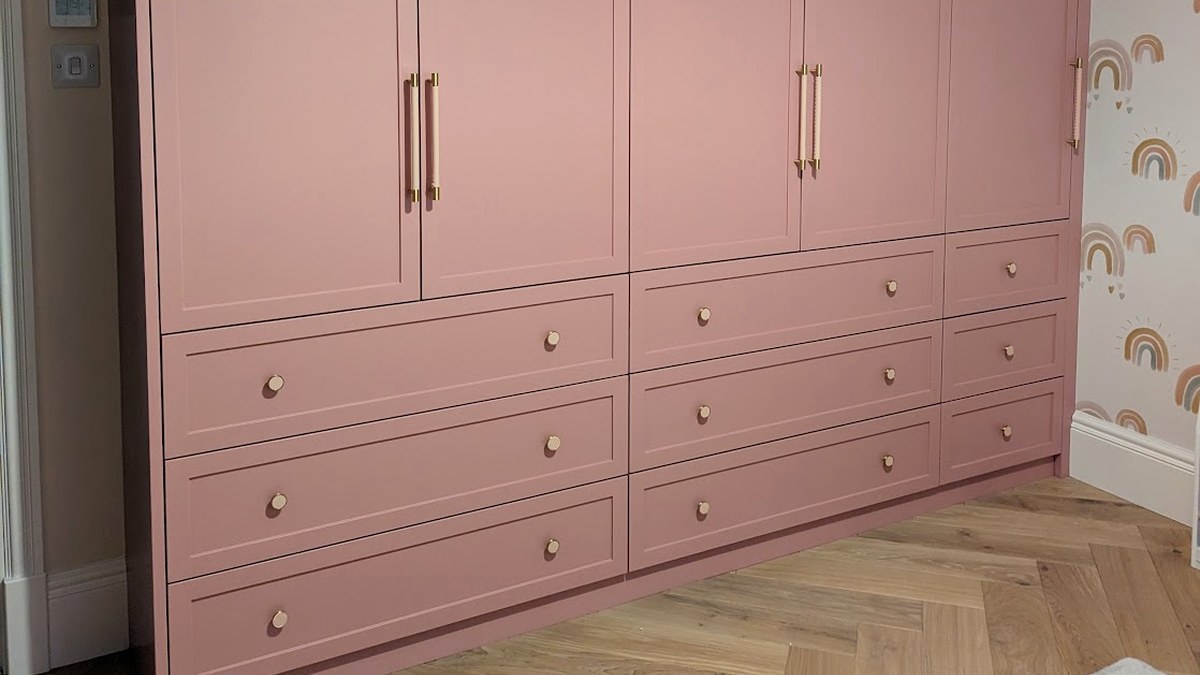
- Cladding, panelling and shelving
- Kitchen and unit fitting
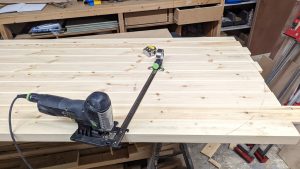
Here the kit shifts to precision tools: a mitre saw for clean, repeatable angled cuts, a second-fix (brad or finish) nailer, sharp chisels, a marking knife, a block plane, and a jigsaw for the shaped work. A good cut-line and a sharp blade matter more than raw power.
The ones that straddle the line
Not everything falls cleanly one side or the other, and if you ask on three different sites you will get three different answers. Two come up constantly:
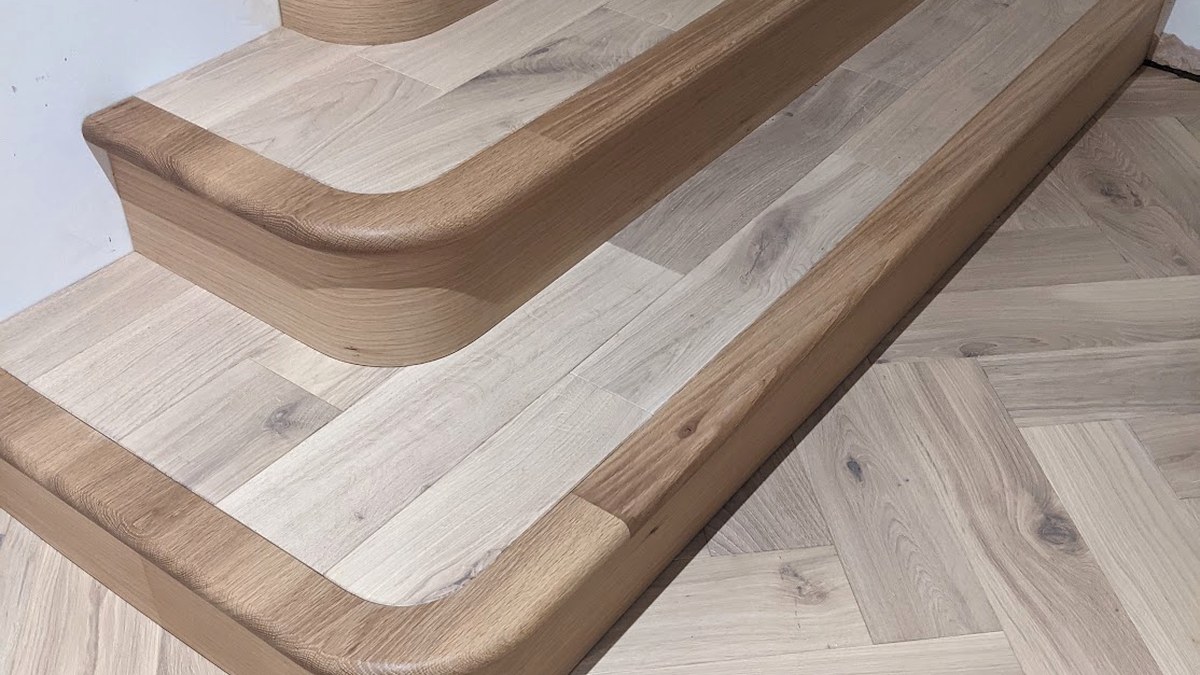
- Staircases sit on both sides. The flight itself often goes in at first fix, sometimes early enough that everyone on site is walking up and down it for the rest of the build, usually boarded or boxed in to protect it. The finishing, the spindles, handrail, newel caps and the whole balustrade, is second fix, once the plastering and decorating are out of the way. So whether stairs are first or second fix depends entirely on which part of the job you mean.
- Window boards go either way. They are usually called first fix, and that is how they are listed above, but plenty of builders leave them until second fix to keep them off the site until the wet trades are finished. It comes down to the build schedule and personal preference more than any rule.
The lesson for anyone starting out is that the split is a rhythm, not a rulebook. When it matters, ask how the site is being run rather than assuming.
Why it matters for your kit
This is the practical bit. The stage you spend most of your time in decides what you buy, and in what order:
- Mostly first fix? Prioritise the circular saw, a strong drill and impact driver, and a first-fix nailer. Speed and grunt over finesse.
- Mostly second fix? Prioritise the mitre saw, a finish nailer, and precision hand tools. Accuracy over power.
Most people starting out do a bit of both, which is why the day-one hand tools and your first drill are common ground either way. It is the build-up kit where your path changes the order. Our guide on what to buy first as a new carpenter walks through that kit in order.
The bottom line
First fix is the structure that goes in before the plaster, second fix is the finish that goes on after. First fix rewards speed and strength, second fix rewards precision. A few jobs, stairs most of all, sit on both sides of the line. Work out which stage you do most, and you will know which tools to buy first and where your day-to-day skill needs to be sharpest.
What is first fix in carpentry?
The structural work that goes in before the walls and ceilings are plastered: stud partitions, floor joists and boards, roof timbers, door linings and usually window boards. Most of it ends up hidden, so it is faster, rougher work.
What is second fix in carpentry?
The finish work that goes on after plastering: skirting, architrave, hanging doors, staircase finishing, cladding and unit fitting. It is on show, so it is precise work where every millimetre counts.
What is the difference between first and second fix?
The plasterer is the dividing line. First fix is everything before plastering (the structure that gets hidden); second fix is everything after (the finish you see). First fix rewards speed and strength, second fix rewards precision.
Is a staircase first fix or second fix?
Both, depending which part you mean. The flight often goes in at first fix and gets boarded or boxed to protect it while the build carries on around it. The spindles, handrail, newel caps and balustrade go on at second fix, after the plastering and decorating.
Are window boards first fix or second fix?
Usually first fix, but not always. Plenty of builders leave them until second fix to keep them out of the way of the wet trades. It comes down to the build schedule and how the site prefers to run it.
Do electricians and plumbers have first and second fix too?
Yes. They run cables and pipes in at first fix (before plaster), then fit sockets, taps and fittings at second fix (after). Same rhythm as carpentry, different work.
Which tools do I need for first fix versus second fix?
First fix leans on bigger, faster tools: a circular saw, a strong drill and impact driver, a first-fix nailer. Second fix leans on precision: a mitre saw, a finish nailer, sharp chisels and a marking knife. Our carpenter tool-kit guide covers the full buy-order.
Worth knowing about
New tools, site updates, fresh buying advice and the occasional deal worth having. Sign up and we'll send you the good stuff. No spam, just tools. Unsubscribe any time.
Suggested reads: The New Carpenter’s Tool Kit: What to Buy First and Which Cordless Battery Platform Should You Buy Into?, or browse all guides in the Advice Centre.