Starting off as a new apprentice in carpentry, you turn up on day one with a toolbox to fill and no real idea of what is best for your essential toolkit. The temptation is to blow your first proper wages on a big shiny combo kit, five power tools in a box, and feel kitted out. That is usually a mistake. Half those tools sit unused for a year, and you have spent nothing on the hand tools you actually need every single hour of every day.
Here is what a carpenter really needs when starting out, in the order that makes sense, so you spend your money where it counts and build up sensibly rather than all at once.
Day one: The hand tools you cannot start without
These are the “in your hand” essentials. Buy decent but not precious, because as an apprentice no doubt you will lose, lend and drop plenty, and replacing a mid-price tool hurts less.
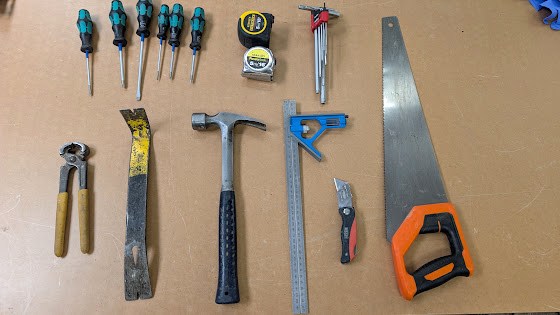
- Tape measure (a good 5m or 8m, with a clear, tough blade).
- Pencils and a marking knife (the knife line is what separates a joiner from a chippy).
- Combination square (marking, checking square, setting depths).
- Claw hammer and a smaller pin hammer.
- Retractable knife and spare blades.
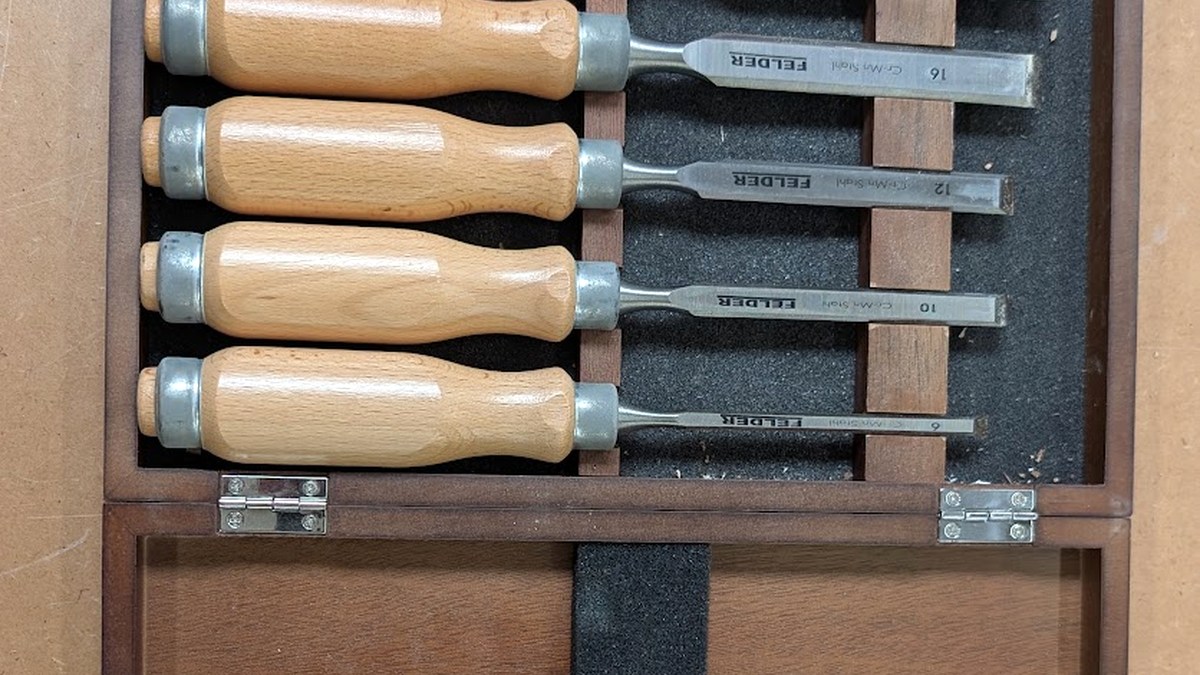
- A set of bevel-edge chisels (a few sizes to start, kept sharp).
- A hand saw or a pull saw for quick cuts.
- Spirit levels, a short boat level and a longer one.
- Screwdrivers (or a driver-bit set).
- A nail bar / pry bar.
- A tool belt or bag to carry it all.
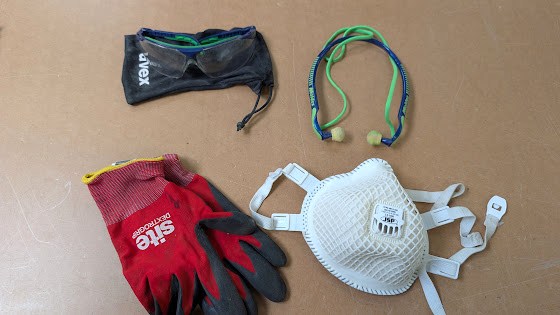
- PPE: safety glasses, ear defenders, knee pads, a dust mask. Not optional, and the first thing a good site checks.
Get these right and you can do most of your first weeks’ work before a single power tool comes out of the van.
Your first power tool, and the decision that matters more than the tool
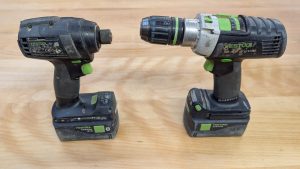
When you do buy power tools, the first is a cordless combi drill, almost always bought as a twin kit with an impact driver. One kit gives you the two tools you will reach for most, plus the batteries and charger to run them, which is the cheapest way to start. If you are weighing up which one, our beginner’s guide to cordless drills covers the specs that matter and the ones that do not.
But here is the thing that matters more than which drill you pick: the battery platform. Every cordless tool you buy after this will share those batteries, so you are not really choosing a drill, you are choosing the system you will be tied to for years. Choose it deliberately. Our guide on which cordless battery platform to buy into walks through the trade systems and the traps; read that before you commit, because switching later means re-buying everything.
Two quick steers so you do not overpay:
- Do not chase the torque number. A big Nm figure is not what makes a good apprentice drill, and the brands do not even measure it the same way. Our torque guide explains what actually matters.
- Go brushless if you can stretch to it. More runtime, longer life, and the price gap has closed. Our brushless vs brushed guide covers when a brushed tool is still fine.
First fix or second fix?
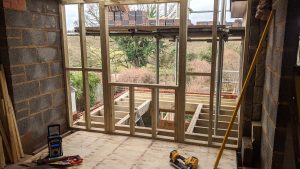
One thing shapes a chippy’s kit more than anything: whether you are mostly doing first fix or second fix. First fix is the structural work before the plaster goes on, studwork, joists, roofing, flooring, and it leans on bigger, faster tools. Second fix is the finish work, skirting, architrave, doors and stairs, and it is all about precision. Most people starting out touch both early on, so the day-one hand tools and your first drill are common ground either way. It is the build-up kit where your path changes the order you buy in.
The build-up kit: What to add over the first few months
Once you have your twin kit and your hand tools, add power tools as the work (and your wages) demand, buying them bare so they run on the batteries you already own. The right order depends on whether you are mostly first fix or second fix, but as a rough guide for most carpenters:
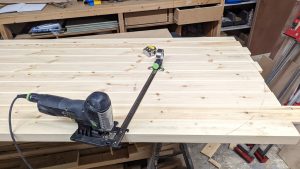
- A circular saw or track saw (a first-fix workhorse) for straight cuts and sheet goods.
- A mitre saw (a second-fix essential) for accurate angled and repeat cuts. It can get pricey, so a corded version is a good way to start, cheaper and not tied to a battery brand, or a smaller one just to get you out of trouble.
- A jigsaw for curves and cut-outs.
- An oscillating multi-tool for the awkward cuts nothing else reaches.
- A router as your joinery work grows.
- An SDS drill once you are drilling masonry regularly (a combi does the odd hole, not a day of them).
- Bigger or spare batteries so you are never stood waiting on a charger.
- A random orbital sander for finishing. One to add later, once the essentials are covered.
You do not need these on day one. Add them one at a time, buy bare, and let your battery collection do the work.
The traps that cost apprentices money
- The big combo kit trap. A five-tool box looks like value, but it is often padded with tools you will not touch for a year, in weaker versions than the standalone ones. Buy the two you need well, add the rest as you go.
- Buying before you have picked a platform. A cheap drill from one brand, a saw from another, and suddenly you own three chargers and no shared batteries. Pick the platform first, then everything shares.
- Going premium too early. As an apprentice you will lose and knock about your kit. Buy mid-range on the tools that take a beating, and save the top-tier money for when you are established and looking after your gear.
- Cheapest own-brand for daily drivers. Fine for the tool that comes out twice a year, false economy for the one in your hand every day. A proper trade tool earns its keep on the things you use constantly.
The bottom line
Kit yourself out with the day-one hand tools first, buy them decent but not precious. Then get one good twin power-tool kit on a battery platform you have chosen deliberately, and build up bare tools onto those batteries as the work demands. Spend on the essentials you use every hour, not on a combo box full of tools you will not need for a year. Do that, and you will have a kit that earns its money and grows with you.
What tools does a carpentry apprentice need on day one?
Hand tools first: a tape measure, pencils and a marking knife, a combination square, a hammer, a retractable knife, a set of chisels, a hand saw, spirit levels, screwdrivers, a pry bar, a tool bag, and PPE. Power tools come after.
Should I buy a big combo kit to start?
Usually no. Combo boxes are often padded with tools you will not use for a year and weaker versions of the standalone ones. Buy the two tools you need well (a combi and impact driver twin kit), then add the rest one at a time.
What is the first power tool an apprentice should buy?
A cordless combi drill, almost always as a twin kit with an impact driver. But choose the battery platform deliberately first, because every cordless tool after it shares those batteries.
Do I need a mitre saw straight away?
Not day one. It is a second-fix essential rather than a starter tool, so add it as your finish work grows. A corded model is a cheaper way in and does not tie you to a battery brand.
How much should an apprentice spend on tools?
Spend where it counts: buy the day-one hand tools decently, buy one good power-tool kit, and build up bare tools after. Do not blow your first month’s wages on a combo kit, and do not buy premium on gear that will get knocked about while you learn.
Worth knowing about
New tools, site updates, fresh buying advice and the occasional deal worth having. Sign up and we'll send you the good stuff. No spam, just tools. Unsubscribe any time.
Suggested reads: Which Cordless Battery Platform Should You Buy Into? and Power Tool Torque Explained and IP Ratings Explained, or browse all guides in the Advice Centre.